Skip Hire in Walthamstow for straightforward waste removal
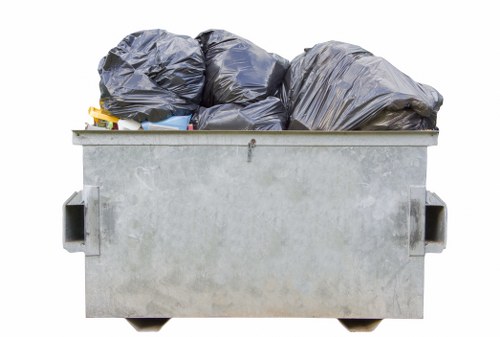
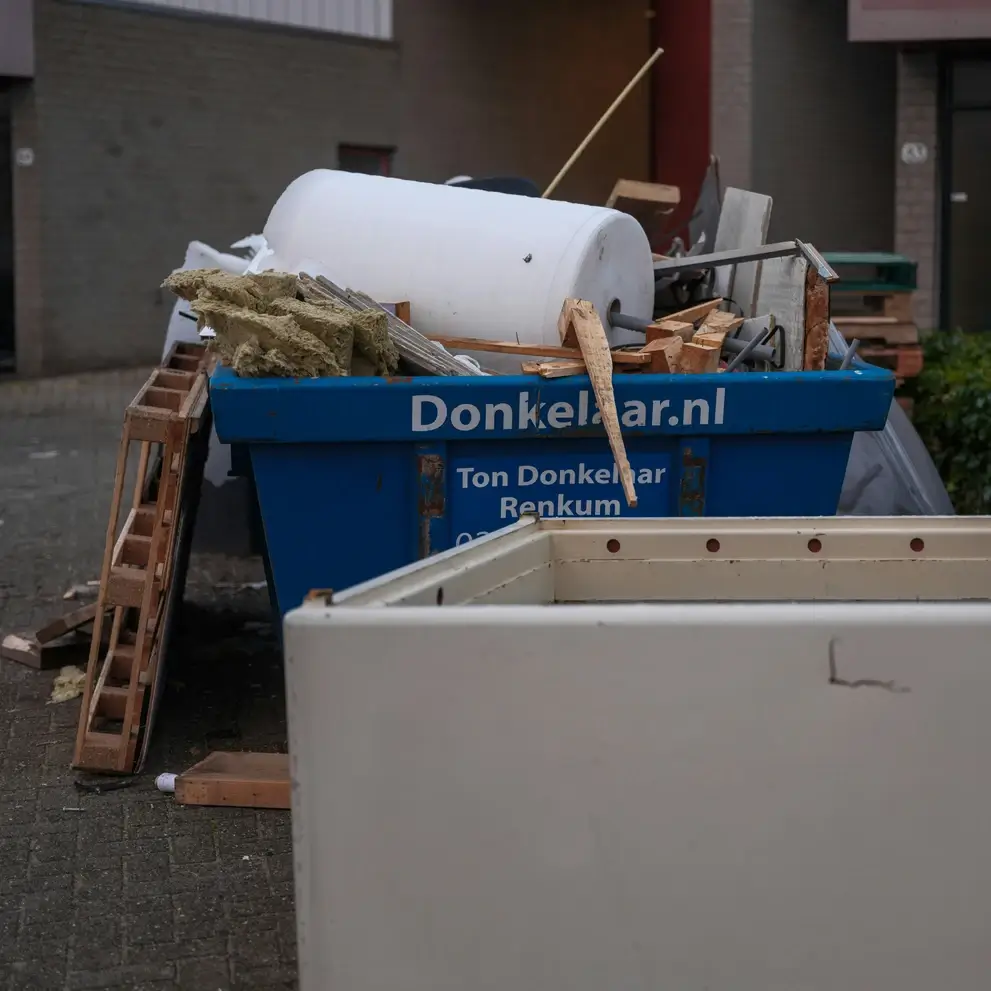
Skip hire in Walthamstow is a practical way to manage bulky waste when you want an organised, dependable approach to disposal. We provide skip hire for household clear-outs, renovations, garden projects and trade work, with a focus on matching the container to the job rather than overcomplicating the process. If you need space cleared efficiently and want the waste handled in one go, a skip can be the most direct option.
Our service is built around the type of waste you have, the space available on site and the amount of material that needs removing. Choosing the right size matters because it affects cost, loading convenience and whether the job runs smoothly. We can support domestic and commercial customers with practical options that suit mixed loads, inert material and general non-hazardous rubbish. For customers comparing choices, the skip sizes and prices page is a useful place to start.
In many cases the best result comes from deciding early whether you need a standard skip, a more specialised service or a different collection method. That is why we also offer related waste removal options for builders, garden work and access-restricted locations. If you are planning a project and want to keep waste under control from the outset, book the right service for the job rather than adding extra handling later. For an enquiry, you can use our pricing and quotes page.
Domestic skip hire for home clearances and renovations
Domestic skip hire is often the simplest option when you are tackling a home improvement project, clearing an outbuilding or disposing of accumulated household waste. It gives you a single place to put material as work progresses, which can be more convenient than multiple small runs to a tip. We support a range of domestic jobs, from decluttering and refurbishment waste to general non-hazardous rubbish that builds up during busy periods.
For homes, it is useful to think about the nature of the load as well as the amount. Mixed household waste, timber, old fixtures and stripped-out materials are all common, but some items need a different route. We can help you decide whether your waste is suitable for a skip or better handled through another service. If you want a more direct collection option for loose items, the rubbish removal page may be relevant.
Planning the load and choosing the right access
A well-planned booking makes the whole job easier. Before arranging a skip, it helps to think about where it will sit, whether access is clear, and how the waste will be loaded during the project. Two short actions usually save time later: identify the main materials and estimate how quickly they will build up. That information supports a better size choice and reduces the risk of having to change plans partway through the work.
Builders skip hire for construction and refurbishment waste
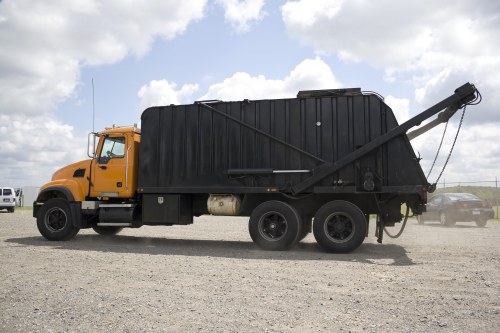
Builders skip hire is suitable for work that produces regular waste streams such as rubble, broken fittings, timber offcuts and packaging from site deliveries. It is a practical choice for trades, landlords and property owners carrying out internal alterations or external work. Rather than letting waste obstruct the working area, a skip keeps material contained and makes the site easier to organise.
Construction jobs vary widely, so the right approach depends on what is being removed and how much space is available. We offer support for building waste, construction waste clearance and demolition waste removal, which can be useful where the project produces heavy or awkward material. For more targeted information on trade jobs, see our builders skip hire and construction waste clearance pages.
There are also occasions when a skip is only one part of the answer. If the site has limited access, the waste is being moved from different points, or you want a more flexible collection method, grab hire or a man and van solution may fit better. For those circumstances, our grab hire services page gives a useful alternative to consider alongside skip hire.
Garden waste and outdoor clearance options
Garden work often creates more waste than people expect, especially when tackling hedge cutting, turf lifting, branch removal or a full seasonal tidy-up. Skip hire can be a sensible choice for larger outdoor projects because it keeps the site workable while you clear material in stages. We help customers deal with garden waste, light landscaping debris and mixed outdoor rubbish that can be awkward to manage in smaller containers.
Some outdoor jobs produce green waste that is fairly uniform, while others include fencing, broken sheds, soil and general clear-up material. The most useful service depends on the balance of that waste. If your project is mainly outside and you need a clear, dedicated option, the garden waste removal page covers a related service. For bigger clean-ups involving sheds, stored items or old outdoor equipment, a broader clearance approach may be more suitable.
- Green cuttings and hedge trimmings
- Broken fencing and light timber
- Old garden furniture and outdoor clutter
- Soil, turf and mixed landscaping waste
Where possible, separating bulky garden material from general rubbish can make loading simpler and help the collection proceed without delays. If you are unsure which route is best, a brief description of the waste and the space available is usually enough to narrow down the right option. Keep the job simple from the start and the rest tends to follow more smoothly.
Commercial skip hire for premises, shops and offices
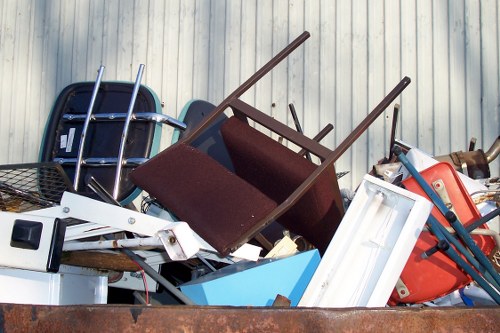
Commercial skip hire is designed for business waste that needs regular, predictable removal without disrupting operations. It can suit offices, retail units, storage areas, hospitality premises and other workplaces that generate packaging, fixtures, renovation waste or general non-hazardous rubbish. When waste is kept in one place and cleared on a planned basis, the work area tends to stay safer and easier to manage.
We also support related services such as office clearance and commercial waste removal tasks where a standard skip may not be the only answer. Some businesses need a container for ongoing material, while others need a one-off clearance before a refit, handover or reset. If you are dealing with workplace contents rather than mixed site waste, the office clearance page may be the better starting point.
Commercial customers often want a service that is simple to schedule and easy to fit around opening hours, deliveries or contractors. In practice, the best option depends on the volume of waste, the type of materials involved and whether access is straightforward. If your premises project produces varied waste streams, it may help to compare skip hire with site clearance or a more tailored removal method before deciding.
Specialist skip options for access, security and timing
Not every job suits a standard open skip. Some customers need a container that is easier to secure, while others need a service that works around restricted access or different waste-loading patterns. That is where more specialised options can help, including enclosed and lockable skip hire, wait and load arrangements and same-day skip hire where appropriate. These services are useful when the site layout or project timing creates extra practical considerations.
If loading space is limited, wait and load can be a good fit because it avoids leaving a container on site for long periods. If the contents need more protection, an enclosed or lockable unit may be more suitable for the material being stored before collection. You can review the relevant pages for these options: wait and load skip hire, enclosed and lockable skip hire and same day skip hire.
Access, loading method and timing are often the key factors behind the right decision. A customer with a straightforward driveway has different needs from a business with busy forecourt access or a property with limited frontage. If you are unsure which arrangement is the most sensible, think first about how the waste will be moved to the container and whether the skip needs to remain in place for several days. That usually makes the choice clearer.
Permits, placement and practical arrangements
Where a skip is intended for a public highway or another controlled area, the question of permissions may need to be addressed before delivery. Our skip hire permits information helps customers understand that this is not just a formality: the proposed placement, local rules and timing all matter. Planning ahead avoids unnecessary hold-ups and gives you a better chance of placing the container in the most workable position.
We also provide guidance on how the booking fits around the rest of the job, including access for vehicles, loading space and the type of ground where the skip will sit. If you are comparing service routes, the skip permits page and the skip hire page can help you understand what is involved. For customers who want to go straight to the booking process, book online offers a direct route to make an enquiry.
What to think through before you request a quotation
To make a quotation as accurate as possible, it helps to have a few basics ready: the kind of waste, the approximate volume, the collection location and any access issues that may affect delivery or loading. Photographs can also be useful when the waste is mixed or the site is tight, but they are not always essential. The aim is simply to describe the job clearly enough for the most suitable option to be identified.
Waste types, recycling and disposal choices

Different waste streams call for different handling, and the most suitable service depends on what is being thrown away. General household rubbish, construction debris, garden material and bulky items all behave differently when loaded and processed. We provide services that help customers manage disposal responsibly, including waste recycling services and more specific collections for certain item types. That approach can be more efficient than treating all waste in exactly the same way.
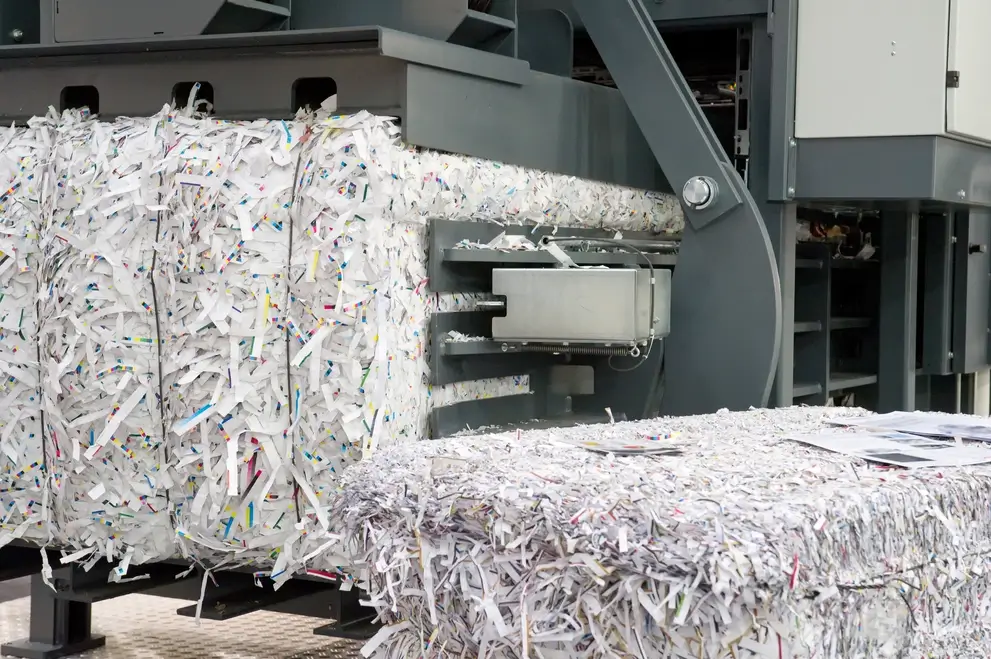
Where recycling is possible, separating suitable material can support a cleaner and more organised disposal process. Some items are better suited to specialist handling, particularly where they are bulky, contain electrical parts or require separate treatment. You can explore our waste recycling services and recycling and sustainability pages for further detail on how different materials may be approached.
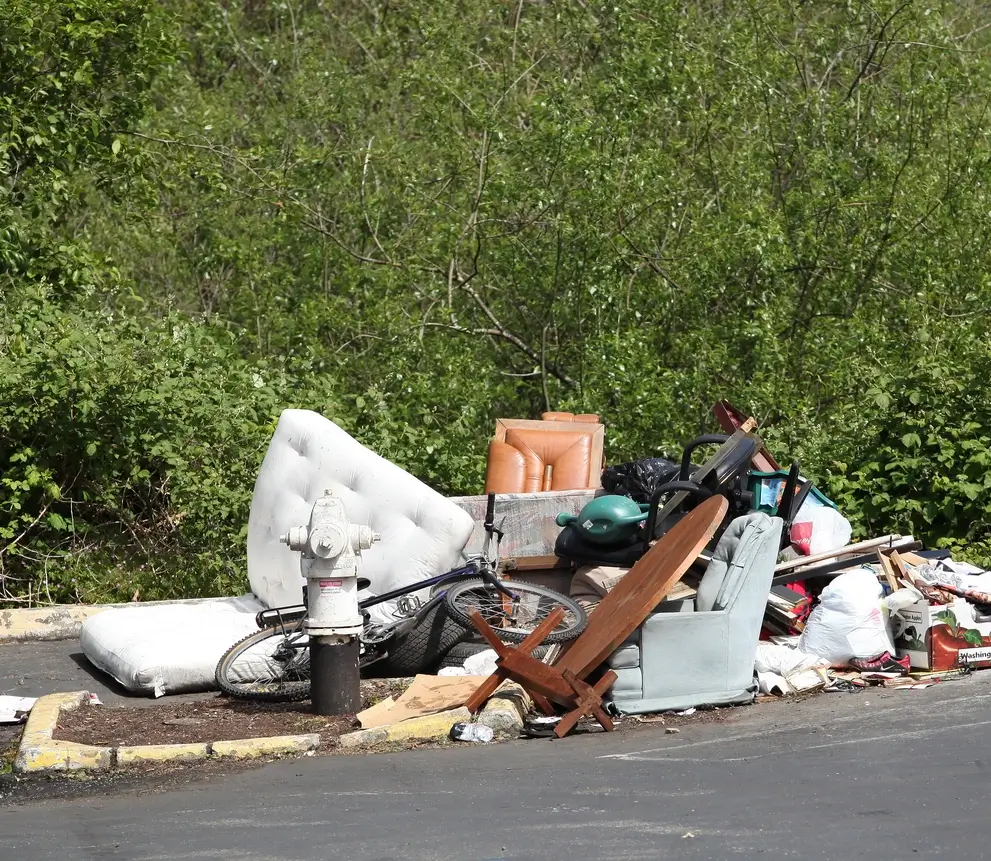
There are also items that need more careful consideration before removal. Refrigerators, mattresses, sofas and some hazardous materials may require distinct handling routes, so it is sensible to check the correct page rather than assuming they can all be dealt with in the same way. Relevant pages include fridge and appliance removal, mattress and sofa disposal and hazardous waste disposal.
Clearance services that sit alongside skip hire
Skip hire is only one route to clearing unwanted material, and it is not always the best choice for every property or worksite. Some projects are better served by a clearance team that removes items directly, particularly when there are large pieces of furniture, mixed room contents or a lot of loose material to shift. We therefore also support house clearance, garage and loft clearance and other related waste removal services where a skip may not be the most efficient answer.
These services are especially useful when the waste is dispersed across a building or when the space available for a container is limited. Instead of loading everything into a skip yourself, a clearance option can reduce handling and simplify the process. If your job involves a domestic property or storage space, take a look at the house clearance and garage and loft clearance pages to compare the approaches.
For customers wanting a broader on-site removal service, our man and van and muck away options may also be worth considering, depending on the waste and access conditions. The important point is to choose the method that matches the task: a skip for loading over time, or a collection service when items need lifting and moving as part of the job. Choose the route that reduces extra handling and keeps the work manageable.
About Walthamstow
Walthamstow is a district in the London Borough of Waltham Forest in north-east London, historically part of Essex before becoming absorbed into the growing metropolitan area. Its name is recorded in early medieval forms and is usually associated with the phrase meaning a place associated with a person called Wilma or similar Old English roots, though the exact linguistic development is complex. The area developed from a rural settlement into a busy suburban centre as transport links improved in the nineteenth and twentieth centuries, with the arrival of the railway, later Underground connections and major road routes shaping how people moved through the district. Walthamstow Village preserves a more historic street pattern, with listed buildings, timber-framed structures and a sense of older settlement layout that contrasts with the denser surrounding streets. The area also includes cultural landmarks such as William Morris Gallery, housed in the former family home of the designer, writer and socialist, and Lloyd Park, which gives the district a substantial green space used for recreation and events. Further south and west, Blackhorse Lane and the wider industrial belt reflect the borough’s working history, while the busy town centre around the station has long served as a commercial focus. The network of streets, open spaces and transport connections gives Walthamstow a layered character, with residential quarters, heritage pockets, modern housing and local shops existing close together.
Quotation support and service selection
When customers ask for a quotation, the most helpful starting point is a clear description of the waste and the setting. That allows the right service to be matched to the job, whether the answer is a skip, a clearance, grab hire or a specialised collection. If you already know the service you need, you can move straight to the relevant page; if not, it is often worth comparing a couple of options first so that the final arrangement suits the site and the material.
For price-related questions, the main factors are usually the size of the load, the kind of waste, access to the property and any special handling that may be involved. A routine domestic load is very different from a restricted-access commercial clearance or a project with separate disposal needs. If you want to review the main cost considerations, our pricing and quotes page is a sensible place to begin, and you can also check what can go in a skip to avoid avoidable issues.
For a quick next step, look at the service pages that best match your project and gather the basics of the job in one place. That makes it easier to request the right arrangement the first time. Request a quotation when you are ready, and use the contact route that suits your preferred service page.